

Introduction
Diabetes and varicose veins are both common conditions, but when they occur together, they can significantly increase the risk of complications. Varicose veins develop when the valves in your veins weaken or fail, causing blood to pool in the legs. Diabetes, on the other hand, affects circulation, nerve health, and wound healing. Together, these conditions create a risky combination that can lead to swelling, pain, skin discoloration, and even chronic ulcers.
At Lumina Vein & Vascular Center, we specialize in advanced treatments for varicose veins, including Laser Varicose Vein Treatment, RFA, VenaSeal, Foam Sclerotherapy, and Endovascular Procedures, even for diabetic patients. Early intervention is key to preventing severe complications.
How Diabetes Affects Your Veins
Diabetes impacts veins and circulation in several ways:
- Poor Circulation: High blood sugar can damage blood vessels, slowing blood flow to the legs.
- Weak Vein Valves: Veins rely on one-way valves to return blood to the heart. Diabetes can weaken these valves, increasing the risk of reflux and varicose veins.
- Delayed Wound Healing: Minor cuts, scratches, or vein-related skin changes heal slowly in diabetics.
- Inflammation: Chronic high blood sugar promotes inflammation, further damaging vein walls.
These factors make diabetic patients more vulnerable to complications from varicose veins.
Why Varicose Veins Are Riskier for Diabetics
1. Increased Risk of Leg Ulcers
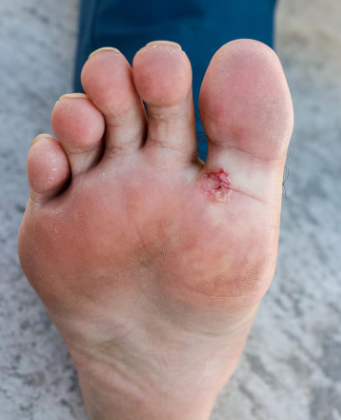
Neuropathy caused by diabetes can reduce sensation in the legs. Minor injuries around varicose veins may go unnoticed, progressing into venous ulcers, which are difficult to heal without professional treatment.
2. Slower Healing
Collagen production is essential for wound repair. Diabetes slows collagen formation, which makes any skin breakdown around varicose veins heal slower, increasing infection risk.
3. Higher Chance of Infection
Even a small cut or scratch near a varicose vein can become infected. Diabetic patients are more prone to cellulitis or other soft tissue infections.
4. Persistent Swelling and Discomfort
Fluid retention is common in diabetes, adding pressure to weakened veins. This increases leg swelling, heaviness, and cramps, making daily activities uncomfortable.
Modern Treatments for Diabetic Patients
Diabetic patients can safely undergo minimally invasive treatments at Lumina Vein & Vascular Center:
- Endovenous Laser Treatment (EVLT / Laser) – Uses laser energy to close faulty veins, improving blood flow.
- Radiofrequency Ablation (RFA) – Heat-based treatment that seals weak veins with minimal downtime.
- VenaSeal Glue Treatment – Uses medical adhesive to close veins without heat or stitches.
- Foam Sclerotherapy – Best for small varicosities and spider veins, safe for diabetics.
These treatments are daycare procedures, meaning patients return home the same day with minimal discomfort. Early intervention reduces the risk of ulcers, infections, and long-term leg damage.
Lifestyle Tips for Diabetic Patients with Varicose Veins
- Maintain Blood Sugar Control: Regular monitoring and diet management reduce vein complications.
- Exercise Regularly: Walking, swimming, and calf exercises improve circulation.
- Avoid Long Periods of Sitting or Standing: Take breaks every hour to stretch and move.
- Wear Compression Stockings: Only after consulting your vascular specialist.
- Eat Vein-Healthy Foods: Citrus fruits, berries, leafy greens, and nuts strengthen veins naturally.
Expert Opinion – Dr. Uday Ravi
“Diabetes significantly increases the risk of varicose vein complications. Early assessment and minimally invasive treatment such as EVLT, RFA, or VenaSeal are highly effective in preventing ulcers, infections, and long-term damage. At Lumina Vein & Vascular Center, we create personalized treatment plans that address both varicose veins and diabetic complications.”
— Dr. Uday Ravi MBBS MS FMAS FIAGES FISCP FALS FARIS DMAS (France)
Consultant Vascular & Laser Surgeon, Lumina Vein & Vascular Center
Patient FAQs
Q: Are varicose vein treatments safe for diabetics?
👉 Yes, modern minimally invasive procedures like laser treatment and VenaSeal are safe and highly effective.
Q: Do I need surgery if I have diabetes?
👉 Most diabetic patients can be treated with daycare procedures, avoiding traditional surgery.
Q: Can compression stockings replace treatment?
👉 No, they only relieve symptoms. Only professional interventions correct the underlying vein problem.
Q: How soon will I notice improvement?
👉 Many patients see reduced swelling and discomfort within days, with complete vein closure in weeks.
Takeaway
If you have diabetes and varicose veins, early treatment is essential to prevent ulcers, infections, and chronic leg complications. Lumina Vein & Vascular Center offers advanced treatments, including Laser Varicose Vein Treatment, RFA, VenaSeal, and Foam Sclerotherapy, tailored specifically for diabetic patients.
📍 Lumina Vein & Vascular Center
👨⚕️ Dr. Uday Ravi MBBS MS FMAS FIAGES FISCP FALS FARIS DMAS (France)
📞 +91 88844 77725
🌐 Visit: luminaveincenter.com