
Understanding the Link Between Diabetes and PAD
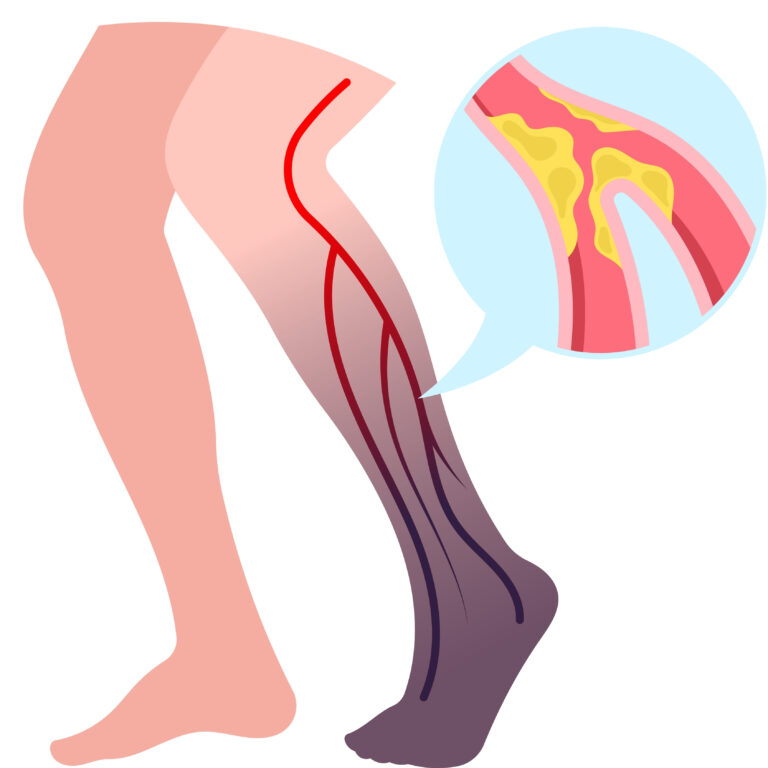
Peripheral Artery Disease (PAD) is a condition where arteries in the legs become narrowed due to plaque buildup, reducing blood flow. For people with diabetes, the risk of developing PAD is two to four times higher than in those without diabetes.
Poor blood circulation, high blood sugar levels, and nerve damage make it harder for wounds to heal — increasing the risk of ulcers, infections, and even limb loss if left untreated.
Why Diabetics Are More Prone to PAD
Diabetes affects both nerves and blood vessels. Over time, high sugar levels damage the inner lining of arteries, causing them to harden and narrow. This leads to restricted oxygen supply to the legs and feet.
Key Risk Factors Include:
- Long-standing or poorly controlled diabetes
- Smoking or obesity
- High cholesterol and blood pressure
- Family history of vascular disease
Warning Signs of PAD in Diabetic Patients
Early detection is crucial because PAD can progress silently. Many diabetics don’t feel the pain due to nerve damage (neuropathy).
Watch for these warning signs:
- Leg pain, cramps, or fatigue while walking
- Coldness in the feet or toes
- Numbness or tingling sensation
- Non-healing wounds or ulcers on feet
- Change in skin color or hair loss on legs
If you notice any of these symptoms, consult a vascular specialist immediately.
Diagnosis: How PAD Is Detected
At Lumina Vein & Vascular Center, PAD is diagnosed through advanced Doppler ultrasound and ankle-brachial index (ABI) testing — simple, non-invasive tests that measure blood flow in your legs.
Early diagnosis can help prevent serious complications, including foot ulcers and amputation.
Treatment Options for PAD in Diabetic Patients
Treatment aims to restore circulation and prevent further complications. Depending on severity, doctors may recommend:
✅ Lifestyle changes – Controlling blood sugar, quitting smoking, and exercising regularly.
✅ Medications – To reduce cholesterol, blood pressure, and prevent clotting.
✅ Endovascular procedures – Such as angioplasty or stenting to open blocked arteries.
✅ Bypass surgery – In severe cases, creating a new path for blood flow.
Expert Insight: Dr. Uday Ravi
“Diabetic patients must be extremely cautious when it comes to PAD. What starts as a simple foot wound can quickly turn dangerous if circulation is poor. Early vascular screening and prompt treatment can save both limbs and lives.”
Dr. Uday Ravi MBBS MS FMAS FIAGES FISCP FALS FARIS DMAS (France)
Consultant Vascular & Laser Surgeon
Tips for Diabetic Patients to Protect Their Legs
- Check your feet daily for wounds or color changes
- Keep blood sugar under control
- Stay active and maintain a healthy weight
- Avoid walking barefoot
- Schedule regular vascular checkups
Takeaway
For diabetic patients, PAD is not just a leg problem — it’s a circulation problem that needs medical attention. With timely diagnosis and expert vascular care, the risks of serious complications can be greatly reduced.
👉 If you have diabetes and notice leg pain or wounds that won’t heal, get checked for PAD today.
📞 Call: +91 88844 77725
🌐 Visit: luminaveincenter.com
👨⚕️ Lumina Vein & Vascular Center — Advanced Vascular & Laser Care by Dr. Uday Ravi